The Silent Security Revolution in Two-Factor Authentication: A Look Inside
- August 12, 2026
- General
For millions of people, the security of their online accounts is only as strong as their password. But in an era where data breaches and cyberattacks have become an increasingly common occurrence, relying solely on password protection is no longer enough. The truth is, two-factor authentication (2FA) has been quietly revolutionizing the way we secure our digital lives, and it's time to take a closer look inside this rapidly evolving field.
As more users than ever before turn to two-factor authentication methods such as SMS verification platform to safeguard their sensitive information, the rise of MFA has never been more pronounced. This is evident in the growing adoption rates of security protocols like Google Authenticator and one-time password generators. These advances are making it abundantly clear that passwords alone can no longer be trusted, and the consequences of not adapting to this new reality could be severe.
In this article, we'll delve into the latest developments in two-factor authentication, explore the benefits of MFA, and examine the challenges that still need to be addressed. From the evolution of 2FA methods to the future of secure authentication, we'll take an in-depth look at the transformative impact of this silent security revolution.
Beyond Passwords: The Rise of Two-Factor Authentication
Beyond Passwords: The Rise of Two-Factor Authentication
Two-factor authentication (2FA) has become an increasingly popular security measure in recent years, with many organizations and individuals recognizing its value in preventing cyber threats and protecting sensitive information. As the need for robust security grows, sms verification api services have emerged as a key component of 2FA, allowing for secure and convenient verification processes.
- ✅ Ensure strong password policies with a minimum of 12 characters, including uppercase and lowercase letters, numbers, and special characters.⚡ Implement a 2FA system that utilizes a combination of password and biometric authentication.💡 Regularly update and review your security protocols to stay ahead of emerging threats.
To understand the benefits of 2FA, let's examine the current state of password security:
| Option | Security Level |
|---|---|
| Password-only | Low | Strong passwords with 2FA | High | sms otp verification service with biometric authentication | Very High |
While passwords remain a crucial part of online security, their limitations have become increasingly apparent. Inadequate password policies, phishing attempts, and password reuse have rendered them ineffective against sophisticated cyber threats. This has led to the rise of 2FA, which adds an additional layer of security to the password verification process.
With the increasing use of sms verification api services, organizations can now provide users with a secure and convenient 2FA experience. However, it's essential to implement a well-designed 2FA system to maximize its effectiveness.
How Biometric Tech Is Redefining Security
Biometric Authentication Takes Center Stage
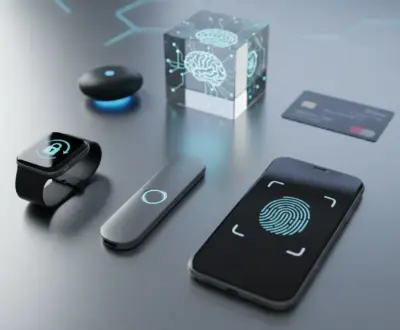
The rise of biometric technology has transformed the landscape of two-factor authentication, making it more secure and convenient for users. Biometric authentication methods, such as facial recognition, fingerprint scanning, and voice recognition, are being increasingly adopted by businesses and individuals alike. To harness the full potential of biometric tech, it's essential to have a robust and reliable sms verification api with virtual numbers in place.
- ✅ Opt for a high-resolution webcam for accurate facial recognition.
- ⚡ Use a capacitive fingerprint sensor for seamless biometric authentication.
- 💡 Implement voice recognition technology for secure and hands-free access.
However, biometric authentication is not without its challenges. For instance, the use of facial recognition technology raises concerns about data privacy and surveillance. Moreover, the accuracy of biometric authentication systems can be affected by various factors, such as lighting conditions, age, and environmental noise.
| Biometric Method | Pros | Cons |
|---|---|---|
| Facial Recognition | High accuracy, convenient | Data privacy concerns, lighting conditions |
| Fingerprint Scanning | High security, easy to use | Messy fingers, sensor accuracy issues |
| Voice Recognition | Convenient, no physical contact required | Noisy environments, voice changes over time |
📌 When choosing a biometric authentication method, consider the specific needs and limitations of your users and environment. For instance, facial recognition may not be suitable for users with disabilities or those with limited access to devices.
Furthermore, it's crucial to pair biometric authentication with a reliable online sms verification service to ensure foolproof security and minimize the risk of data breaches. This two-layered approach will provide an added layer of security and peace of mind for users.
The Dark Side of Phishing: Why MFA Matters
The Dark Side of Phishing: Why MFA Matters
The rise of phishing attacks has raised concerns about the security of online transactions. As a result, organizations and individuals have turned to multi-factor authentication (MFA) as a means of bolstering security.
- ✅ Use a password manager to generate and store unique, complex passwords.
- ⚡ Enable two-factor authentication (2FA) whenever possible, especially for sensitive accounts.
- 💡 Be cautious of suspicious emails or messages asking for personal or financial information.
Phishing attacks often rely on stolen or cracked passwords, which can be easily accessed through unsecured networks or public Wi-Fi. This is where MFA comes in – by requiring a second form of verification, such as a fingerprint or SMS verification platform two-factor authentication, users can add an extra layer of protection against hackers.
| Type | Description |
|---|---|
| Password-based auth | Traditional method using a username and password combination |
| Two-factor auth | Requires a second form of verification, such as a fingerprint or SMS code |
| Multi-factor auth | Combines multiple forms of verification, such as a fingerprint, PIN, and SMS code |
While there is no foolproof way to prevent all phishing attempts, MFA can significantly reduce the risk of a successful attack. It is essential for organizations to educate their employees on the importance of MFA and implement it across all systems and applications.
From Tokens to Apps: The Evolution of 2FA Methods
From Tokens to Apps: The Evolution of 2FA Methods
Two-factor authentication (2FA) has undergone significant transformations since its inception. Initially, tokens and physical keys dominated the scene, providing a basic layer of security. However, as technology advanced, the landscape of 2FA methods expanded, incorporating mobile and biometric authentications. One notable example is the adoption of SMS-based verification services, such as the sms verification platform, which has become a widely accepted method for securing online transactions.
- ✅ Use mobile apps for 2FA, leveraging advanced encryption and biometric capabilities.
- ⚡ Implement multi-factor authentication for added security.
- 💡 Regularly review and update 2FA methods to ensure compatibility and security.
The shift from tokens to apps has been significant, and the trend is expected to continue. As 2FA methods evolve, security experts caution against complacency, emphasizing the need for regular updates and compatibility reviews.
| Method | Description | Security |
|---|---|---|
| Token-based | Physical keys or tokens transmitted via SMS | Low to Medium |
| App-based | Mobile apps leveraging biometric authentication (e.g., facial recognition, fingerprints) | High to Very High |
| Biometric | Using unique biometric characteristics (e.g., voice, iris scans) | Very High |
The evolution of 2FA methods underscores the importance of adapting to changing security threats. As the landscape of online transactions continues to shift, 2FA strategies must evolve to ensure robust security and user convenience.
Can We Trust the Internet Yet? The Future of Secure Authentication
Can We Trust the Internet Yet?
The future of secure authentication is an ongoing conversation, and experts weigh in on its viability. The use of two-factor authentication (2FA) has become increasingly prevalent, but with new technologies emerging, the question of whether we can trust the internet yet arises.
- ⚡ Implement a 2FA system with a trusted SMS verification platform
- ✅ Regularly check for security updates and patches
- 💡 Consider using a password manager for added security
According to various studies, the use of 2FA has shown significant reductions in identity theft and unauthorized access. However, human error still remains a significant factor in compromising security. As technology continues to evolve, it's crucial to stay informed about the latest advancements and best practices.
| Method | Security Level | Practicality |
|---|---|---|
| Physical Token | High | Low |
| Behavioral Biometrics | Medium-High | Medium |
| Traditional Password | Low-Medium | High |
The Road to Secure Authentication
The journey to secure authentication is ongoing, and experts continue to stress the importance of user education and awareness. It's key to note that no method is foolproof, and a multi-layered approach remains the best defense against cyber threats.
The Security Shift Takes Hold
As the world grapples with rising cyber threats, the silent revolution in two-factor authentication is a beacon of hope. By shedding passwords for more robust methods, individuals and organizations are fortifying their defenses against phishing, hacking, and data breaches. The adoption of biometric technologies, such as facial and voice recognition, is a significant step forward, eliminating the need for tokens, SMS verification platforms, and app-based authentications.
But the journey doesn't end here. As the security landscape continues to evolve, one pressing question remains: Can we trust the internet, and our own security measures, to safeguard our personal and professional lives? The answer, much like the future of secure authentication, hangs precariously in the balance. The choice is ours: to stay vigilant, adapt to changing threats, and harness the power of technological innovation to safeguard our digital existence.
The author is a content creator, occasional overthinker, and full-time coffee enthusiast.
About us and this blog
We are a digital marketing company with a focus on helping our customers achieve great results across several key areas.
Request a free quote
We offer professional SEO services that help websites increase their organic search score drastically in order to compete for the highest rankings even when it comes to highly competitive keywords.
Subscribe to our newsletter!
More from our blog
See all posts